
Community and Society

Building Stronger Communities: Keys to Social Engagement

Understanding Community Dynamics

The concept of community is multifaceted, encompassing a range of social structures, relationships, and interactions that bind individuals together. Understanding community dynamics is crucial in addressing societal issues, fostering engagement, and promoting well-being. This section explores the definitions, types, and characteristics of communities, along with the influence of social structures and the importance of participation.

Defining Community: Types and Characteristics

A community can be defined as a group of individuals who share common interests, values, or geographical locations. Communities can be categorized in various ways, including:

  • Geographical Communities: Defined by physical boundaries such as neighborhoods, towns, or cities. For example, the vibrant community of Harlem in New York City is known for its historical significance and cultural contributions.
  • Interest-Based Communities: Formed around shared interests or activities, such as book clubs, sports teams, or online forums. The global community of gamers, including platforms like Twitch, exemplifies this type.
  • Cultural Communities: Groups bonded by shared cultural heritage, language, or traditions. The Amish community in Pennsylvania showcases a unique cultural identity that influences their lifestyle choices.
  • Virtual Communities: Emerging from the digital age, these communities exist online and connect individuals across geographical boundaries. For instance, Reddit hosts numerous communities (subreddits) focused on diverse topics, allowing global interaction.

Each type of community possesses unique characteristics such as a sense of belonging, shared values, and common goals. These characteristics foster social cohesion and collective identity, pivotal for community success.

The Role of Social Structures in Community

Social structures play a vital role in shaping community dynamics. They encompass the frameworks that organize society, including institutions, norms, and relationships. Key social structures influencing communities include:

  • Family: The fundamental unit of society, families form the primary socialization context for individuals. Family structures can vary significantly across communities, affecting cultural practices and interactions.
  • Education: Schools and educational institutions serve as crucial social systems, influencing community values, norms, and aspirations. For example, community schools often engage in local initiatives, strengthening ties between students and their neighborhoods.
  • Government: Local governments play a crucial role in community development through policies and programs addressing residents‘ needs. Initiatives like community policing foster trust and cooperation between law enforcement and community members.
  • Religious Organizations: Often serving as community centers, religious institutions provide social support, cultural preservation, and opportunities for volunteerism. The role of churches and mosques in organizing community outreach programs illustrates this impact.

Understanding these social structures allows community leaders and members to identify strengths and weaknesses, facilitating targeted interventions for improvement.

Importance of Community Engagement and Participation

Community engagement and participation are essential for fostering a thriving environment. Active involvement ensures that all community members have a voice in decision-making processes, leading to more representative and effective outcomes. The significance of engagement can be highlighted through various aspects:

  • Empowerment: When individuals participate in community activities, they feel empowered to effect change. Programs like neighborhood councils provide platforms for residents to influence local governance.
  • Social Capital: Participation builds social networks, promoting trust and cooperation among community members. This social capital is vital for collective action, as seen in initiatives where neighbors collaborate to enhance public spaces.
  • Resilience: Engaged communities are more resilient in facing challenges. During the COVID-19 pandemic, many communities organized mutual aid networks to support vulnerable members, showcasing the power of collective effort.
  • Enhanced Quality of Life: Active participation fosters a sense of belonging and increases overall satisfaction within communities. Programs that encourage volunteerism often lead to improved mental health and community well-being.

To promote engagement, community leaders can employ strategies such as organizing town hall meetings, creating inclusive platforms for discussion, and recognizing volunteer contributions.

Societal Challenges and Community Responses

Communities often face significant societal challenges, including social inequality, environmental degradation, and health disparities. However, many communities respond with innovative solutions and grassroots movements to address these issues. This section explores various societal challenges and the community-led responses that emerge.

Addressing Social Inequality: Grassroots Movements

Social inequality remains a pervasive issue, manifesting through disparities in wealth, education, and access to resources. Grassroots movements have emerged as powerful forces for change, mobilizing community members to advocate for justice and equality. Notable examples include:

  • The Civil Rights Movement: This historic movement in the United States galvanized communities to fight against racial discrimination and segregation, leading to significant legislative changes.
  • Black Lives Matter: Founded in response to police violence against African Americans, this movement utilizes social media to mobilize communities across the globe, advocating for systemic change and accountability.
  • Local Food Movements: Initiatives like urban farming and community-supported agriculture (CSA) programs aim to address food deserts and promote food justice by providing access to fresh produce in underserved areas.

These grassroots movements exemplify the power of community organizing, demonstrating that collective action can lead to meaningful societal change.

Community Initiatives for Environmental Sustainability

Environmental sustainability is crucial for the well-being of current and future generations. Communities worldwide are taking proactive steps to address environmental challenges through various initiatives:

  • Community Gardens: These spaces not only provide fresh produce but also foster community interaction and education about sustainable practices. For example, the Incredible Edible project in Todmorden, UK, encourages residents to grow food in public spaces.
  • Recycling Programs: Many communities have implemented robust recycling initiatives to reduce waste and promote environmental stewardship. The city of San Francisco has set ambitious goals to achieve zero waste by 2030.
  • Renewable Energy Cooperatives: Some communities are investing in renewable energy sources by forming cooperatives. The Cohousing Network in the U.S. exemplifies this by pooling resources for solar energy installations.

These initiatives not only foster environmental awareness but also strengthen community bonds, demonstrating the interconnectedness of ecological health and social cohesion.

Health and Well-being: Community-Based Solutions

Communities also play a pivotal role in addressing health and well-being, particularly in the face of rising health disparities. Community-based solutions focus on promoting holistic health and wellness:

  • Health Education Programs: Initiatives that educate community members about nutrition, exercise, and mental health can lead to healthier lifestyles. Programs like the “Healthy Living” initiative in Detroit aim to improve health outcomes through education and resources.
  • Support Groups: These groups provide social support for individuals facing health challenges, from addiction recovery to chronic illness management. Community centers often host these groups, fostering connection and healing.
  • Access to Healthcare: Mobile clinics and partnerships with local health providers can improve access to healthcare services in underserved areas. For instance, the Health Wagon in Virginia provides medical services to rural communities lacking access to traditional healthcare.

By addressing health and well-being through community-based solutions, communities can create environments that support healthy living and resilience.

The Impact of Technology on Community Interaction

Technology has revolutionized the way communities interact, providing new avenues for connection and engagement. However, it also presents challenges that communities must navigate. This section examines the dual impact of technology on community interaction.

Digital Communities: Building Connections Online

Digital communities have emerged as significant spaces for interaction, transcending geographical barriers. Platforms such as Facebook, Discord, and Slack enable individuals to connect over shared interests, fostering relationships and collaboration:

  • Support Networks: Online support groups for mental health, parenting, or chronic illness offer individuals a safe space to share experiences and access resources.
  • Collaborative Projects: Platforms like GitHub facilitate collaboration among developers and creators, allowing them to work together on projects regardless of location.
  • Event Organizing: Digital tools enable communities to organize events, from virtual meetups to large-scale conferences, increasing accessibility and participation.

These digital communities highlight the potential for technology to enhance social connections, although they also require careful management to ensure inclusivity and engagement.

Social Media Influence on Community Engagement

Social media plays a pivotal role in shaping community engagement, allowing for real-time communication and mobilization. The influence of social media can be observed through:

  • Awareness Campaigns: Social media platforms are often used to raise awareness about social issues, mobilizing community members for advocacy and activism. For instance, the #MeToo movement gained traction through social media, highlighting issues of sexual harassment and assault.
  • Community Building: Local businesses and organizations utilize social media to connect with community members, share updates, and foster loyalty.
  • Feedback Mechanisms: Social media allows community leaders to solicit feedback from residents, enhancing transparency and accountability in decision-making.

While social media can enhance engagement, it also presents challenges such as echo chambers and misinformation, which can undermine community cohesion.

Challenges of Misinformation in Digital Spaces

The proliferation of misinformation poses a significant challenge for communities in the digital age. Misinformation can lead to distrust, polarization, and conflict within communities. Addressing this issue requires:

  • Media Literacy Education: Educating community members about identifying credible sources and critically evaluating information can empower individuals to navigate digital spaces responsibly.
  • Fact-Checking Initiatives: Collaborating with fact-checking organizations can help communities combat misinformation and promote accurate information dissemination.
  • Encouraging Dialogue: Fostering open dialogue within communities can mitigate the impact of misinformation by allowing individuals to discuss differing viewpoints constructively.

By proactively addressing misinformation, communities can strengthen their social fabric and promote informed engagement.

Cultural Diversity and its Role in Society

Cultural diversity enriches communities, fostering innovation, creativity, and understanding. Embracing diversity is essential for building inclusive societies that respect and celebrate differences. This section explores the benefits of cultural diversity and strategies for promoting inclusion.

The Benefits of Cultural Exchange in Communities

Cultural exchange enhances understanding and appreciation among community members, leading to numerous benefits:

  • Innovation and Creativity: Diverse perspectives foster creativity and innovation, driving economic growth and cultural enrichment. Cities like Toronto, known for their multicultural population, benefit from vibrant arts and culinary scenes.
  • Social Cohesion: Cultural exchange fosters empathy and understanding, bridging divides and promoting social cohesion. Community events celebrating cultural festivals, such as Diwali or Lunar New Year, encourage participation and learning.
  • Global Perspectives: Exposure to diverse cultures broadens individuals‘ worldviews, promoting tolerance and reducing prejudice. Educational programs that incorporate multicultural curricula highlight the importance of diversity.

Encouraging cultural exchange is vital for fostering harmonious communities that value inclusivity and collaboration.

Strategies for Promoting Inclusion and Tolerance

Promoting inclusion and tolerance requires deliberate strategies that engage community members in meaningful ways:

  • Community Dialogues: Hosting discussions and workshops centered on diversity and inclusion can facilitate understanding and address biases.
  • Inclusivity in Leadership: Ensuring diverse representation in community leadership fosters inclusive decision-making and allows various voices to be heard.
  • Celebrating Diversity: Organizing events that celebrate cultural diversity, such as multicultural fairs or art exhibitions, promotes appreciation and respect for different cultures.

Through these strategies, communities can promote an inclusive environment that values and respects all members.

Case Studies: Successful Multicultural Communities

Successful multicultural communities provide valuable insights into the benefits of diversity and inclusion:

  • Amsterdam, Netherlands: Known for its progressive policies and vibrant multicultural population, Amsterdam promotes inclusivity through community programs that encourage integration and collaboration among diverse groups.
  • San Francisco, USA: With its rich history of immigration, San Francisco celebrates cultural diversity through various festivals, community organizations, and initiatives that promote social justice and equity.
  • Melbourne, Australia: Recognized for its cultural diversity, Melbourne fosters an inclusive environment through policies that support migrants and refugees, ensuring access to education, employment, and community services.

These case studies illustrate the positive impact of multiculturalism on community development and social cohesion.

Future Trends in Community Development

As communities evolve, new trends and approaches to community development emerge. Understanding these trends is essential for fostering sustainable and resilient communities. This section explores innovative approaches and the role of policy in shaping community futures.

Innovative Approaches to Community Building

Innovative approaches to community building emphasize collaboration, inclusivity, and sustainability. Strategies include:

  • Participatory Planning: Involving community members in the planning process ensures that developments align with residents‘ needs and preferences. Successful initiatives, such as community charrettes, facilitate collaboration between planners and residents.
  • Co-Housing Models: Co-housing communities promote shared living spaces and resources, fostering social connections and reducing environmental impact. Projects like EcoVillage in Ithaca, New York, exemplify this approach.
  • Creative Place-Making: Integrating art and culture into public spaces enhances community identity and engagement. Programs that involve local artists in revitalizing neighborhoods demonstrate the power of creativity in community development.

These innovative approaches highlight the importance of community input and collaboration in shaping vibrant and resilient communities.

The Role of Policy in Shaping Communities

Policy plays a critical role in community development, influencing resource allocation, planning, and social services. Effective policies should prioritize:

  • Equity and Inclusion: Policies that address systemic inequalities and promote inclusivity can create more equitable communities. For example, affordable housing initiatives can ensure that low-income residents have access to safe and stable living conditions.
  • Sustainable Development: Policies that prioritize environmental sustainability can help communities adapt to climate change and promote resilience. Initiatives such as green building standards and renewable energy incentives support sustainable practices.
  • Community Empowerment: Policies that foster community engagement and support local leadership can enhance residents‘ sense of ownership and investment in their neighborhoods.

By prioritizing these policy areas, governments can contribute to the development of thriving, inclusive, and sustainable communities.

Leveraging Data and Technology for Community Insights

Data and technology offer valuable insights for community development, enabling informed decision-making and targeted interventions. Communities can leverage data through:

  • Community Assessments: Conducting regular assessments of community needs and resources can inform planning and resource allocation. Tools like community surveys and demographic analyses provide critical insights.
  • Smart City Technologies: Integrating technology into urban planning can enhance service delivery and community engagement. Smart city initiatives, such as those implemented in Barcelona, utilize data to improve transportation, energy use, and public services.
  • Open Data Initiatives: Encouraging transparency through open data can empower community members to access information and participate in decision-making. Cities like Chicago have adopted open data policies to promote accountability and citizen engagement.

By leveraging data and technology, communities can enhance their understanding of local dynamics and develop more effective strategies for growth and resilience.
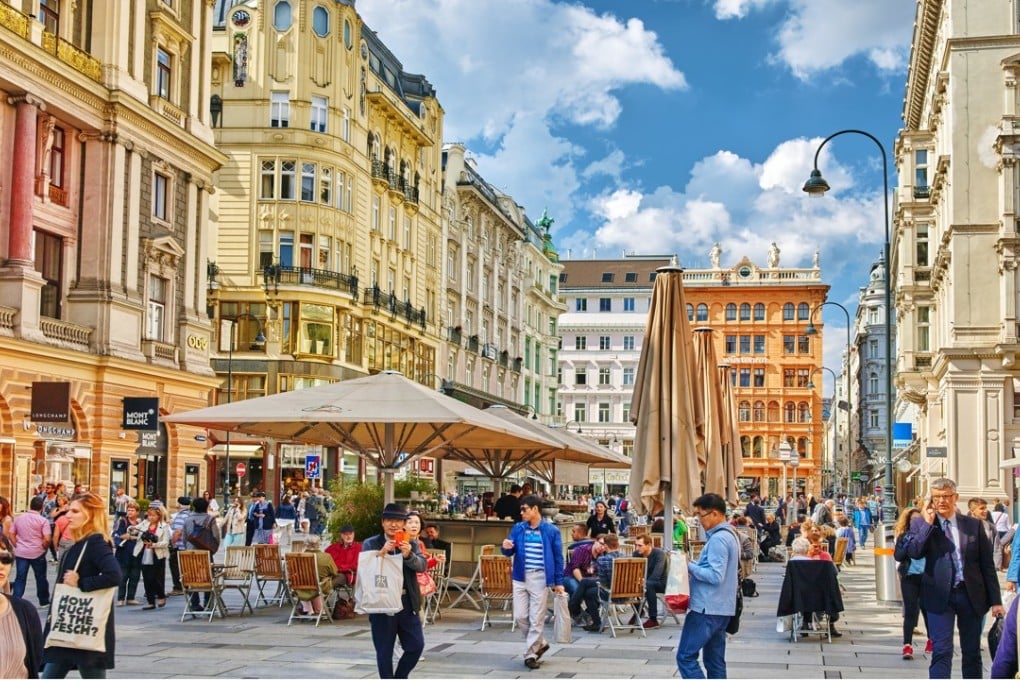

Sehenswerte Aspekte und Dienstleistungen in Stadt Wien für Bürger und Touristen

Einführung in Stadt Wien

Die Stadt Wien ist nicht nur die Hauptstadt Österreichs, sondern auch ein bedeutendes kulturelles, wirtschaftliches und politisches Zentrum in Europa. Mit ihrer einzigartigen Mischung aus historischer Pracht und modernem städtischen Leben zieht sie sowohl Touristen als auch neue Bewohner an. Diese umfassende Erkundung der Stadt wird einen Blick auf die verschiedenen Aspekte der Stadt Wien werfen, einschließlich ihrer Geschichte, Dienstleistungen, Freizeitmöglichkeiten und der Lebensqualität.

Geschichte und Kultur von Stadt Wien

Die Geschichte von Stadt Wien reicht bis in die römische Zeit zurück, als die Stadt als „Vindobona“ bekannt war. Im Laufe der Jahrhunderte entwickelte sich Wien zu einem wichtigen kulturellen und politischen Zentrum. Die Stadt war das Herzstück des Habsburgerreichs und beherbergte bedeutende historische Ereignisse und Persönlichkeiten. Heute ist Wien bekannt für seine reiche Kultur, die durch Museen, Musik und Theater geprägt ist. Berühmte Komponisten wie Mozart, Beethoven und Strauss haben hier gelebt und gewirkt, was Wien zu einem Mekka für Musikliebhaber macht.

Geografische Lage und Bedeutung von Stadt Wien

Geografisch liegt die Stadt Wien im Nordosten Österreichs, an der Grenze zur Slowakei. Die Donau durchzieht die Stadt und teilt sie in verschiedene Bezirke. Diese strategische Lage macht Wien zu einem Knotenpunkt für den internationalen Handel und die Zusammenarbeit in Mitteleuropa. Darüber hinaus wird die Stadt oft als ‚Tor zu Osteuropa‘ bezeichnet, was ihre Bedeutung als kulturelle Brücke zwischen verschiedenen Ländern unterstreicht.

Wirtschaftliche Aspekte und Entwicklung in Stadt Wien

Wien hat eine dynamische Wirtschaft, die auf diversen Sektoren basiert, einschließlich Dienstleistungen, Industrie, Handel und Tourismus. Die Stadt ist Sitz vieler internationaler Organisationen, einschließlich der Vereinten Nationen und der OPEC, was zur Schaffung zahlreicher Arbeitsplätze beiträgt. In den letzten Jahren hat sich Wien als Standort für Start-ups und technologische Innovationen hervorgetan, was die wirtschaftliche Diversifizierung weiter vorantreibt.

Dienstleistungen der Stadt Wien

Öffentliche Verkehrsmittel in Stadt Wien

Das öffentliche Verkehrssystem in Wien gehört zu den besten der Welt. Die Stadt bietet ein umfangreiches Netz von U-Bahnen, Straßenbahnen und Bussen, die nicht nur die Innenstadt, sondern auch die umliegenden Bezirke effektiv vernetzen. Die Nutzung öffentlicher Verkehrsmittel kostet weniger als der Besitz eines Autos, wodurch die Stadt umweltfreundlicher und zugänglicher wird. Tickets können einfach über Automaten oder mobile Apps erworben werden.

Bildungseinrichtungen und Hochschulen in Stadt Wien

Die Bildung spielt eine zentrale Rolle in der Stadt Wien. Die Stadt beheimatet renommierte Universitäten wie die Universität Wien, die Technische Universität Wien und zahlreiche Fachhochschulen. Diese Institutionen bieten eine Vielzahl von Studiengängen und fördern Forschung und Innovation auf höchstem Niveau. Durch verschiedene Programme und Austauschmöglichkeiten wird internationaler Studenten ein hervorragendes akademisches Umfeld geboten.

Gesundheitsdienste und Krankenhäuser in Stadt Wien

Die Gesundheitsversorgung in Wien gilt als eine der besten in Europa. Die Stadt bietet eine Vielzahl von Krankenhausdienstleistungen, medizinischen Praxen und spezialisierten Kliniken. Das öffentliche Gesundheitssystem stellt sicher, dass alle Einwohner Zugang zu medizinischer Versorgung haben, während private Gesundheitsdienstleister zusätzliche Optionen anbieten. Regelmäßige Impfkampagnen und Gesundheitsuntersuchungen werden von der Stadt verwaltet, um das Wohl der Bürger zu gewährleisten.

Freizeitmöglichkeiten in Stadt Wien

Parks und Erholungsgebiete in Stadt Wien

Wien ist bekannt für seine zahlreichen Parks und Erholungsgebiete, die ein ideales Umfeld für Freizeitaktivitäten bieten. Der Wiener Prater, mit seinem berühmten Riesenrad, ist ein beliebtes Ziel für Einheimische und Touristen. Zudem bietet der Stadtpark eine Oase der Ruhe inmitten des städtischen Treibens. Viele Grünflächen sind mit Spielplätzen, Sportanlagen und Wanderwegen ausgestattet, die sowohl für Kinder als auch für Erwachsene zugänglich sind.

Kulturelle Veranstaltungen und Feste in Stadt Wien

Das kulturelle Leben in Wien ist vielfältig und dynamisch. Jedes Jahr finden zahlreiche Festivals, Konzerte und Ausstellungen statt, die sowohl lokale als auch internationale Künstler präsentieren. Veranstaltungen wie das Donauinselfest oder der Wiener Festwochen ziehen große Menschenmengen an und bieten ein abwechslungsreiches Programm. Das kulturelle Angebot reicht von Opernaufführungen in der Staatsoper bis hin zu zeitgenössischer Kunst in verschiedenen Galerien.

Gastronomie und kulinarische Erlebnisse in Stadt Wien

Die Gastronomie in Wien stellt eine einzigartige Mischung aus traditioneller österreichischer Küche und innovativen kulinarischen Konzepten dar. Würstelstände, Kaffeehäuser und gehobene Restaurants zeichnen die Stadt aus. Typische Wiener Gerichte, wie der berühmte Wiener Schnitzel oder die Sachertorte, sind überall zu finden und sollten unbedingt probiert werden. Die Stadt bietet auch zahlreiche Möglichkeiten für internationale Küche, was sie zu einem Paradies für Feinschmecker macht.

Touristische Attraktionen in Stadt Wien

Sehenswürdigkeiten und historische Orte in Stadt Wien

Wien ist reich an Sehenswürdigkeiten und historischen Orten, darunter der Stephansdom, das Schloss Schönbrunn und die Hofburg. Der Stephansdom ist eines der bekanntesten Wahrzeichen der Stadt und bietet atemberaubende Ausblicke von seinem Turm. Das Schloss Schönbrunn, ein UNESCO-Weltkulturerbe, ist ein beeindruckendes Beispiel barocker Architektur und umgeben von einer weitläufigen Gartenlandschaft. Die Hofburg, das historische Zentrum der Macht, beherbergt heute zahlreiche Museen und die österreichische Nationalbibliothek.

Museen und Ausstellungen in Stadt Wien

Die Museumslandschaft in Wien ist außergewöhnlich und umfasst eine Vielzahl von Themen. Von den Kunsthistorischen Museen mit Meisterwerken von alten Meistern bis hin zu modernen Museen wie dem MuseumsQuartier, das zeitgenössische Kunst und Kultur präsentiert, ist für jeden etwas dabei. Das Belvedere mit seiner bedeutenden Sammlung österreichischer Kunst des 19. und 20. Jahrhunderts ist besonders hervorzuheben.

Einkaufsmöglichkeiten in Stadt Wien

Wien bietet hervorragende Einkaufsmöglichkeiten in verschiedenen Stadtteilen, von eleganten Boutiquen bis hin zu großen Einkaufszentren. Die Kärntnertor Theaterpassage und die Mariahilfer Straße sind beliebte Einkaufslagen, die sowohl internationale Marken als auch lokale Designer führen. Wochenmärkte, wie der Naschmarkt, sind ebenfalls ein Muss für alle, die lokale Produkte und kulinarische Delikatessen entdecken möchten.

Lebensqualität in Stadt Wien

Sicherheit und Infrastruktur in Stadt Wien

Die Stadt Wien gilt als eine der sichersten Städte der Welt mit einer niedrigen Kriminalitätsrate und einer hohen Lebensqualität. Strukturierte Infrastrukturen, einschließlich gut ausgebauter Straßen und sicherer Verkehrssysteme, tragen zur Sicherheit der Bürger bei. Die Stadtverwaltung investiert kontinuierlich in die Sicherheit und Entwicklung der städtischen Infrastruktur.

Mietpreise und Wohnmöglichkeiten in Stadt Wien

Die Mietpreise in Wien variieren je nach Bezirk und Wohnlage. Während zentrale Lagen oft höhere Preise aufweisen, gibt es in weiteren Bezirken durchaus erschwingliche Optionen. Die Stadt hat sich bemüht, den Wohnungsbau zu fördern und sozialen Wohnungsbau anzubieten, um der steigenden Nachfrage nach Wohnraum gerecht zu werden.

Soziale Angebote und Community in Stadt Wien

Die sozialen Angebote in Wien sind vielfältig und umfassen Initiativen zur Unterstützung von Familien, älteren Menschen und Migranten. Die Stadtverwaltung fördert die soziale Integration und Gemeinschaftsbildung durch verschiedene Programme, die soziale Kontakte und Austausch zwischen den Bewohnern stärken. Die lebendige Community in den verschiedenen Stadtteilen trägt zur hohen Lebensqualität der Stadt bei.

FAQs zur Stadt Wien

1. Was sind die besten Zeiten für einen Besuch in Stadt Wien?

Die besten Reisezeiten sind im Frühling (März bis Mai) und Herbst (September bis Oktober), wenn das Wetter mild und die Menschenmengen geringer sind.

2. Wie kann ich in Stadt Wien am besten reisen?

Das öffentliche Verkehrssystem in Wien ist hervorragend. U-Bahnen, Straßenbahnen und Busse ermöglichen eine einfache und kostengünstige Fortbewegung.

3. Welche kulturellen Veranstaltungen finden in Stadt Wien statt?

Wien bietet ganzjährig viele Festivals und Konzerte, darunter die Wiener Festwochen und unterschiedliche Musikfestivals.

4. Wo finde ich die besten Restaurants in Stadt Wien?

Die bekanntesten Restaurants befinden sich in den Stadtteilen Innere Stadt und Neubau. Zudem gibt es zahlreiche lokale Wirtshäuser.

5. Ist Stadt Wien kinderfreundlich?

Ja, Wien ist sehr kinderfreundlich. Viele Parks, Spielplätze und kulturelle Veranstaltungen richten sich speziell an Familien.

Engaging porn AI chat interaction featuring diverse animated characters.

Revolutionary Porn AI Chat Experiences: Connect and Explore Intimacy in 2025

Understanding Porn AI Chat: The New Frontier of Digital Intimacy

As technology continues to evolve, so do the ways in which we engage with intimacy and relationships. One of the most intriguing developments in recent years is the rise of porn ai chat, which leverages artificial intelligence to create interactive, personalized conversations around adult themes. These chat experiences allow users to explore their desires and fantasies in a safe, private setting, pushing the boundaries of traditional communication. In this article, we will delve into the mechanics of porn AI chat, its evolution, and the potential it holds for enhancing user experiences.

What is Porn AI Chat?

Porn AI chat refers to the use of artificial intelligence technologies to simulate conversations that include adult content and themes. These chatbots are designed to engage users in realistic dialogues that can encompass a wide range of scenarios, from flirty banter to more explicit exchanges. Unlike standard chatbots that often provide generic responses, porn AI chatbots are equipped with advanced natural language processing capabilities, allowing them to adapt and respond dynamically to user inputs, making the interaction feel more genuine and personal.

The Evolution of AI in Adult Conversations

The concept of AI in adult conversations is not entirely new, but the sophistication of current AI models has drastically changed the landscape. Initially, most interactions with AI were limited to scripted responses, making them feel robotic and one-dimensional. However, with advancements in machine learning and natural language processing, modern porn AI chatbots can learn from previous interactions, improve their conversational techniques, and even remember user preferences. This evolution means that conversations can become increasingly nuanced, reflecting the complexities of real-life relationships.

Benefits of Engaging with Porn AI Chatbots

  • Anonymity: Users can explore their fantasies without fear of judgment, allowing for a more liberated experience.
  • Customization: Many platforms allow users to define the personality and traits of the AI, creating a tailored experience that resonates with their desires.
  • Availability: Unlike human interactions, AI chatbots are available 24/7, providing immediate engagement whenever desired.
  • Safe Exploration: Users can navigate uncomfortable topics without the risks associated with real-world interactions, promoting a safer environment for sexual exploration.

How Porn AI Chat Enhances User Experience

In the world of digital intimacy, the quality of engagement is paramount. Porn AI chat enhances user experience through personalization, realism, and addressing concerns, ensuring that users feel valued and understood.

Personalization in AI Conversations

One of the standout features of porn AI chat is its ability to create personalized interactions. Users can often specify their preferences regarding tone, style, and context, allowing the AI to tailor responses that resonate closely with their individual fantasies. This level of customization not only adds depth to conversations but also fosters a sense of connection between the user and the AI character, making the experience feel more authentic.

Creating Realistic Interactions with AI Characters

Realism is a critical component of engaging conversations. Advanced porn AI chatbots utilize rich databases of language and emotional cues to create life-like interactions. Through machine learning, these bots can learn to mimic human nuances, such as humor or empathy, further enhancing the realism of the dialogue. The more realistic the interaction, the more likely users are to become engrossed, making the overall experience more fulfilling.

Addressing User Concerns and Privacy Issues

Privacy is a significant concern for users of any online service, particularly those involving adult content. Porn AI chat platforms have adopted robust encryption methods and privacy protocols to protect user data. Many services also include settings that allow users to delete their conversation histories and control what data is stored. By addressing these concerns, AI chat providers can foster trust and encourage users to engage without fear of exposure.

Exploring NSFW Themes through AI Chat

The potential of porn AI chat extends far beyond conventional adult themes. By exploring diverse fantasies and providing customized experiences, these chatbots are opening new doors to creativity and emotional engagement.

Diverse Fantasies and Customized Experiences

With the ability to cater to a wide spectrum of interests, porn AI chat can bring unique fantasies to life. Users can explore scenarios ranging from romantic encounters to adventurous roleplays, ensuring that there is something for everyone. This diversity not only satisfies various tastes but also encourages users to step outside their comfort zones and experiment with different narratives.

Ethical Considerations in Adult AI Conversations

While the rise of porn AI chat offers exciting possibilities, it also raises ethical questions. For instance, the representation of characters and the content of conversations must be managed responsibly to avoid perpetuating negative stereotypes or unrealistic expectations. Developers and users alike should engage in ongoing discussions about ethics in AI to ensure that the technology serves to enhance intimacy positively and respectfully.

How to Engage Effectively with AI for Roleplay

To maximize the enjoyment of AI interactions, users should approach conversations with an open mind and clear objectives. Setting boundaries for roleplay scenarios can lead to more enjoyable experiences, allowing users to enjoy their fantasies safely. Communication is key: discussing likes, dislikes, and preferences with the AI can lead to richer and more fulfilling interactions.

Best Practices for Users of Porn AI Chat

Engaging with porn AI chat can be a rewarding experience, but it’s essential to adopt certain best practices to ensure enjoyment and safety.

Setting Boundaries and Expectations

Before diving into conversations, users should define what they are comfortable discussing and what they hope to achieve from the experience. Clear boundaries help to create a positive environment where both the user and the AI can operate comfortably, preventing misunderstandings and ensuring that the interactions remain enjoyable.

Maximizing Enjoyment from AI Interactions

To fully appreciate porn AI chat, users should embrace the technology and allow themselves to be immersed in the experience. Try engaging in varying scenarios and adjusting the personality traits of the AI based on feedback to create a more vibrant interaction. Users should remember that experimentation is part of the fun.

Common Misconceptions about AI in Adult Entertainment

  • AI Replaces Human Interaction: While AI can assist and enhance experiences, it cannot fully replace the depth of human relationships.
  • All AI Chatbots are the Same: There is significant variation in capabilities and user experiences, so exploring different platforms is recommended.
  • Engagement is Impersonal: Personalization features in modern AI chat can create highly individualized and realistic interactions.

The Future of Porn AI Chat: Trends and Innovations

As technology continues to advance, the future of porn AI chat appears promising, with emerging trends and innovations poised to reshape the landscape.

Emerging Technologies Shaping the Industry by 2025

To keep pace with user expectations, developers are exploring the integration of augmented reality (AR) and virtual reality (VR) into porn AI chat. These technologies promise to create immersive environments where users can interact with AI characters in three-dimensional spaces, enhancing the realism and engagement levels. Furthermore, the implementation of voice recognition and synthesis can facilitate more natural conversations, making interactions feel even more personal.

Potential Challenges and Opportunities for Growth

Although the potential for growth is vast, challenges remain. Regulatory hurdles and ethical considerations will continue to play a crucial role in shaping the development of porn AI chat platforms. Stakeholders must work collaboratively to establish guidelines that balance innovation with user safety and privacy. This collaborative approach will not only pave the way for responsible growth but also ensure that the technology is accessible and enjoyable for all users.

User Predictions for the Next Generation of AI Chatbots

Looking ahead, users express excitement about the possibilities of next-generation AI chatbots. Many anticipate greater levels of interactivity, where users can participate in narrative-driven experiences that evolve based on feedback and choices made during conversations. Others hope for deeper emotional connections with AI characters, driven by advances in understanding human emotions and preferences by AI algorithms. As these technologies continue to mature, the landscape of digital intimacy will undoubtedly transform, offering unparalleled opportunities for connection.