 By admin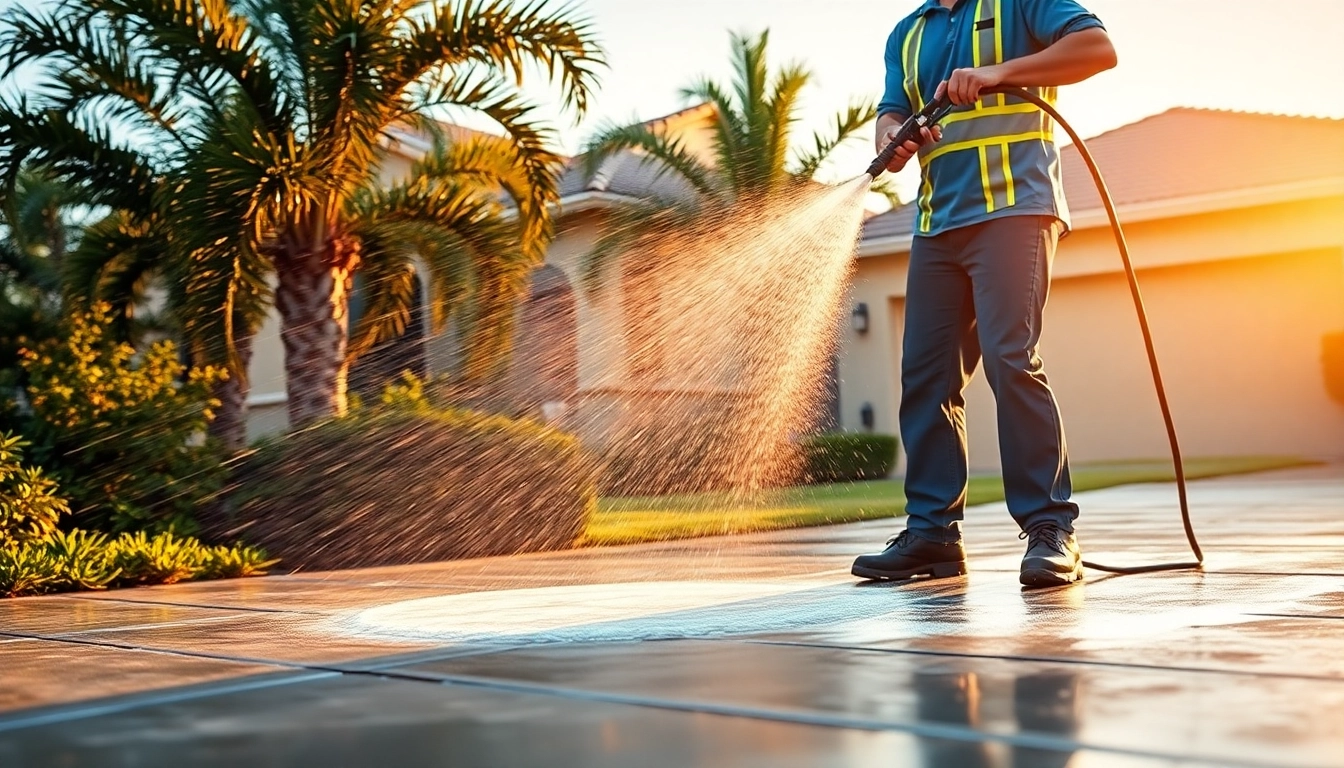
Understanding Driveway Pressure Wash
Driveway pressure washing is a crucial aspect of maintaining the exterior appeal and structural integrity of your property. Regular cleaning not only removes unsightly stains but also extends the lifespan of your driveway materials. In Kissimmee, FL, where the climate can lead to mold, mildew, and oil stains, having a clean driveway contributes to the overall aesthetic of your home or business. When exploring options, Driveway pressure wash services can provide comprehensive insights into how to achieve the best results.
What is Driveway Pressure Washing?
Driveway pressure washing is the use of high-pressure water spraying to remove dirt, grime, oil spills, and other contaminants from driveway surfaces. This technique effectively cleans concrete, asphalt, and paver driveways without causing damage. The process typically involves specialized equipment that can generate varying degrees of pressure, enabling the cleaning of different surfaces and stain types.
Benefits of Professional Driveway Cleaning
- Enhanced Curb Appeal: A clean driveway can significantly improve the overall appearance of your home, making it more inviting to guests and potential buyers.
- Preventative Maintenance: Regular pressure washing removes harmful substances like mold and algae that can lead to deterioration over time.
- Increased Property Value: By maintaining your driveway, you are indirectly boosting the value of your property, which is essential when planning to sell or rent.
- Safety: Removing slippery substances reduces the risk of accidents, providing a safer environment for your family and visitors.
Common Driveway Materials and Their Care
Driveways can be made from various materials, each requiring specific care techniques. Common materials include:
- Concrete: Durable and long-lasting, concrete driveways are susceptible to stains and require regular cleaning to prevent deterioration.
- Asphalt: While generally more affordable, asphalt driveways can be damaged by high-pressure washing if not done correctly. Soft washing methods are often recommended.
- Pavers: These offer aesthetic flexibility and are easy to maintain, but weeds and grime can accumulate in the joints, necessitating regular cleaning.
Preparing for Your Driveway Pressure Wash
To achieve the best results with your driveway pressure wash, preparation is essential. This involves ensuring you have the right tools, following safety precautions, and properly preparing the driveway itself.
Choosing the Right Equipment and Tools
For optimal results, it’s important to select the right pressure washing equipment. A machine with adjustable PSI (pounds per square inch) settings allows you to tailor the cleaning to your driveway material. High-quality nozzles can provide the focused spray needed for tough stains, while surface cleaners can expedite the process for larger areas.
Essential Safety Precautions to Follow
Safety is paramount when undertaking pressure washing. Always wear appropriate protective gear, including gloves, goggles, and boots. Make sure to clear the area of any obstacles, and ensure that electrical outlets and connections are safe from water exposure. Understanding how to handle the pressure washer and being aware of your surroundings can prevent accidents.
How to Prepare Your Driveway for Pressure Washing
Preparation for the driveway pressure washing process includes clearing debris like leaves, dirt, and furniture. If there are any cracks or loose materials, make sure to address them before pressure washing. Pre-treating stains with a suitable cleaning agent can enhance results and save time during the washing process.
Driveway Pressure Washing Techniques
Utilizing effective techniques is crucial for achieving a pristine finish when pressure washing your driveway. Here’s a step-by-step guide to help you through the process.
Step-by-Step Guide to Driveway Pressure Washing
- Pre-Treat Stains: Apply a cleaning solution to oil stains or heavy grime and allow it to sit for approximately 10-15 minutes.
- Set Up Your Equipment: Ensure your pressure washer is set up correctly and the nozzle is adjusted for the job.
- Start Pressure Washing: Begin at one end of the driveway, maintaining a consistent distance and moving in a straight line. Work from the top downward to avoid streaks.
- Rinse Thoroughly: After washing, thoroughly rinse the driveway to remove any soap residues or remaining debris.
- Inspect and Dry: Inspect the driveway for any missed spots or stains and allow it to dry completely.
Optimal Pressure Settings for Different Surfaces
Understanding the appropriate pressure settings is key in safeguarding your driveway materials:
- Concrete: Use settings between 3000-4000 PSI.
- Asphalt: Lower settings around 1500-2000 PSI to prevent damage.
- Pavers: Similarly to asphalt, keep it around 2000 PSI, using a broader spray angle.
Effective Cleaning Agents and Eco-Friendly Options
While water alone can achieve satisfactory results, utilizing cleaning agents can enhance the effectiveness of your driveway pressure wash. Look for biodegradable and eco-friendly products that target specific stains, such as oil or rust removers. Vinegar and baking soda are excellent natural alternatives that pose no harm to the environment.
Post-Washing Care and Maintenance
Once the driveway pressure washing process is complete, it’s crucial to maintain the cleanliness and integrity of your driveway to prolong its lifespan.
How to Maintain Your Driveway After Cleaning
To ensure your driveway remains in excellent condition, perform regular maintenance:
- Sealant Application: Consider applying a sealant to protect concrete or asphalt surfaces from stains and weather damage.
- Regular Cleaning: Sweep the driveway regularly to remove dirt and debris that can accumulate.
- Quick Treatments: Address stains promptly to prevent them from setting in.
Signs Your Driveway Needs Pressure Washing Again
Being observant can help you determine when to reschedule pressure washing services:
- Visible stains or discoloration.
- Growth of mold or algae.
- Accumulation of dirt or debris that regular sweeping can’t resolve.
Enhancing Curb Appeal with Regular Maintenance
Regular driveway pressure washing not only enhances your property’s aesthetic but also maintains its functionality. An immaculate driveway can significantly uplift the look of your home, providing a welcoming atmosphere for guests and increasing your property’s value.
Choosing the Right Pressure Washing Service
When it’s time to hire a professional for your driveway pressure wash, knowing what to look for in a pressure washing company can save you time and ensure quality results.
What to Look for in a Pressure Washing Company
Prioritize companies with solid reputations in the industry. Check for customer reviews, insurance coverage, and certifications. A reliable service will have proof of their credentials and an established portfolio showcasing their work.
Cost Considerations for Driveway Pressure Washing
The cost of pressure washing can vary significantly based on the driveway size and material. On average, homeowners can expect to pay between $130 to $220 for driveway pressure washing, depending on the condition and treatment required.
Customer Testimonials and Their Importance
Customer testimonials provide valuable insight into a pressure washing company’s reliability and quality of work. Look for reviews that highlight the service’s effectiveness and customer service responsiveness, which can be indicators of what you can expect.